






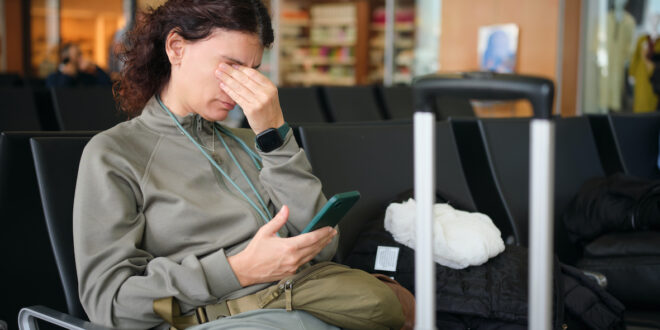
International travel is exciting, but getting there can sometimes feel like a test of patience. There are flights to catch, bags to manage, queues to navigate and unfamiliar places to find your way around. Add a delayed flight, a missed connection or a change of plans and even the most enthusiastic traveller can start wondering why they ever left home.
The good news is you do not need to eliminate every possible problem to make travelling easier. Much of the stress comes from feeling rushed or unprepared, so a little forward planning can make a considerable difference. It also helps to accept one simple truth about travel: things will go wrong occasionally. If you expect everything to go perfectly, every delay feels like a crisis; if you expect some disruption, a smooth journey becomes a pleasant surprise.
Leave plenty of time
One of the biggest sources of travel stress is trying to fit too much into too little time. This applies particularly to connecting flights. If you are booking more than one flight, using the same airline where practical can make life easier, particularly when the flights are booked as part of the same itinerary. If weather or an aircraft problem causes a delay, the airline can usually help with rebooking and, where appropriate, accommodation rather than leaving you to sort out each part of the journey yourself.
The same thinking can be useful when travelling domestically before an international flight. Rather than booking the latest possible domestic service and hoping everything runs to schedule, consider an earlier flight which leaves another option if something goes wrong. Travel agents often build this sort of breathing space into itineraries for good reason: missing one flight is considerably less stressful when you still have a way of reaching the international departure on time.
Take some of the uncertainty out
A little research before you leave can remove plenty of unnecessary worry. Check how you will get from the airport to your accommodation, look at the layout of unfamiliar airports and find out whether you need to change terminals, collect luggage or go through security again during a connection. Knowing what to expect is particularly useful when you are tired and surrounded by unfamiliar signs.
It is equally helpful to keep your essential travel information somewhere easy to find. Accommodation details, flight information, insurance documents and important contact numbers can all be stored digitally, with a printed backup providing another option if your phone battery dies or you cannot get online.
Avoid the baggage panic
Weigh your luggage before leaving home and check your airline’s current baggage allowance. Discovering at the check-in desk that your suitcase is several kilograms overweight can lead to the dreaded panic repack, usually performed in front of a queue of increasingly impatient passengers.
Packing a little less can make the whole journey easier. Keep medication, travel documents, valuables, glasses and anything essential to your comfort in your carry-on luggage, along with anything you would need if your checked bag failed to arrive. You may not need every item during the flight, but you will be glad to have the essentials close at hand if your luggage takes a different route.
Look after yourself
Hungry and tired travellers are more likely to become irritated by relatively minor problems. Wherever possible, get a reasonable night’s sleep before a major travel day and have something to eat and drink before arriving at the airport. It is much easier to deal calmly with a delayed flight when you are comfortable, fed and hydrated than when you are already exhausted and wondering where your next meal is coming from.
Long-haul travel can take plenty out of you, too, so resist the temptation to treat your arrival as a race. If possible, give yourself time to settle in before launching into a packed itinerary. A slower first day may leave you with considerably more energy for the rest of the trip.
Give other travellers some grace
Airports can bring out the impatience in all of us. It can feel as though you are always stuck behind the family with difficult children, the slow poke at security or the argumentative couple holding up the queue. Before becoming too irritated, take a breath. You have no idea what has led someone to behave as they are; they may be confused, anxious, exhausted or dealing with a problem you cannot see. A little patience and compassion will not make the queue move any faster, but it can stop someone else’s difficult day from becoming yours as well. There is even a chance your calmer attitude will rub off on the people around you.
Expect the unexpected
Even the best organised trip will rarely run perfectly. Flights will be delayed, weather will change, luggage may take longer to arrive and carefully made plans may need to be abandoned. Rather than treating every disruption as a disaster, think of it as part of the territory.
Having some flexibility makes unexpected changes much easier to absorb. Leave enough time between important commitments, keep a backup option where one is practical and try to distinguish between a genuine problem and an inconvenience. A missed connection may require urgent action; a fully booked restaurant simply means dinner will be somewhere else.
Good preparation should make travel feel easier, not give you another list of things to worry about. Leave yourself some breathing space, expect a few hiccups and look after yourself along the way. Once you stop expecting everything to run perfectly, you can spend much more of your energy enjoying the reason you travelled in the first place.

Join the Discussion
Type out your comment here:
You must be logged in to post a comment.