






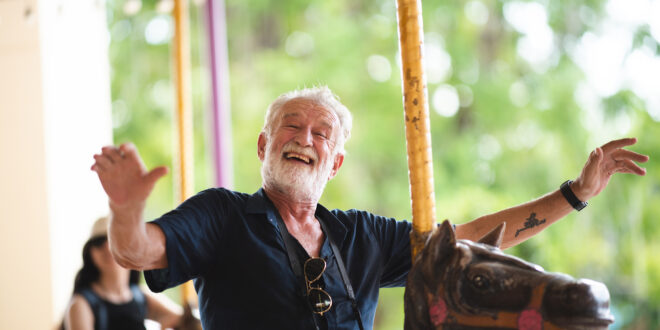
There comes a point in life when the old rules around money and time begin to feel less useful than they once did. For decades, many people followed a familiar pattern: work hard, save diligently, be sensible, and postpone indulgence for “later.” The idea was enjoyment could wait until responsibilities were met, the mortgage reduced, the children settled, and retirement secured. Then one day, you realise “later” has arrived.
This is where many people in their freedom years face an unexpected challenge. They may have the means, the time, or at least the opportunity to enjoy life more fully, yet spending on pleasure can still feel strangely uncomfortable. Booking the trip, upgrading the accommodation, saying yes to lunch out, buying the concert tickets, or even taking a weekday off can trigger an inner hesitation. Is this wise? Is it necessary? Should I really be doing this? The guilt can be surprisingly persistent.
Part of this comes from the generations many of us grew up in. Frugality was often treated as virtue, and extravagance as something faintly suspect. Enjoyment was earned, not prioritised. Even leisure carried conditions. It was acceptable only after the work was done. The difficulty is this mindset does not always adapt as life changes.
When Saving Becomes a Habit
In your freedom years, the equation shifts. Time becomes less renewable than money. Energy becomes something to value. Experiences begin to carry a different kind of importance. What once looked like indulgence can start to look like good judgement. It does not mean reckless spending or ignoring financial realities. It means recognising money is not only for preserving security, it is also for supporting a life that feels worthwhile.
Many people spend years building financial cushions, only to hesitate when it comes time to use them. They remain in accumulation mode long after accumulation is necessary. Saving becomes a habit so deeply ingrained, spending, even responsibly, feels unnatural. Yet there is a difference between waste and purposeful enjoyment.
Using money to create meaningful experiences, support health, reduce stress, or make daily life easier is not financial failure. It is often the very reason the money was saved in the first place. A holiday with family, a course you have always wanted to take, a more comfortable mattress, help around the house, regular outings with friends, or simply fewer compromises on the things that matter to you are not luxuries in the shallow sense. They are investments in quality of life.
Making Room for Enjoyment Without Guilt
The same principle applies to time. For years, time may have been allocated according to obligation. Work schedules, school terms, family commitments, household demands. Personal enjoyment fitted into the margins. Freedom years invite a reassessment of that structure.
How much of your time is still being directed by habit rather than intention? How often do you say yes to things out of routine rather than genuine desire? How frequently do you postpone enjoyment because it feels less productive than other tasks? Many people discover they are still operating under the assumption leisure must be justified.
Enjoyment is not the reward for a perfectly completed to-do list. It is part of a well-lived life. Instead of treating pleasure as optional, it becomes something deliberately planned for. A budget can include enjoyment as a legitimate category. A calendar can reserve time for hobbies, travel, social connection, or rest without apology.
When enjoyment is treated as intentional rather than impulsive, it often becomes easier to embrace. There is also a practical truth worth acknowledging: later is not guaranteed to look the way we imagine. Health changes, circumstances evolve, and opportunities can narrow. Waiting indefinitely for the “right time” to enjoy what life offers can mean missing the season when it is most accessible.
This is not a gloomy observation, simply a realistic one. Freedom with money and time is not about abandoning caution. It is about balancing prudence with presence. There is wisdom in planning for the future, but there is equal wisdom in living the present.
Your freedom years are not meant to be spent endlessly preserving resources for a life you are afraid to enjoy. They are an invitation to use what you have built thoughtfully, deliberately, and with purpose. A well-managed life is not measured only by what remains untouched in the bank account. It is also measured by memories made, experiences embraced, and the quiet satisfaction of knowing you gave yourself permission to enjoy the years you worked so hard to reach.

Join the Discussion
Type out your comment here:
You must be logged in to post a comment.