






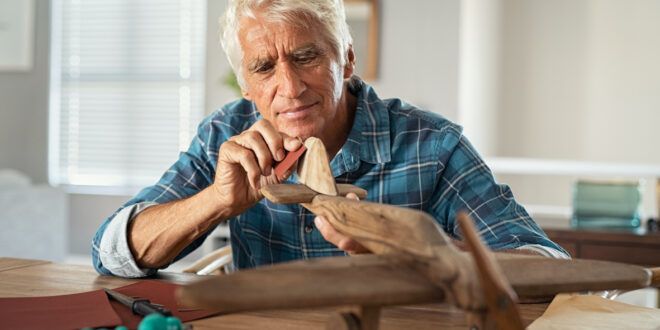
Granting enjoyment a place in life is one thing, choosing it openly, without the need to justify or soften it, can feel far more difficult. Many people reach later life carrying deeply ingrained ideas about what counts as sensible behaviour, and those ideas rarely disappear simply because circumstances change. Even with more freedom, more time, or greater financial stability, pleasure can still come wrapped in hesitation. A lunch out becomes “a bit extravagant.” A holiday needs practical reasons attached to it. A quiet afternoon spent reading or gardening can somehow feel less valid than a day spent being productive.
Part of this comes from how many older generations were raised – practicality was admired, restraint was respected. People learned to avoid waste, keep busy, and place obligations ahead of personal wants. Enjoyment was acceptable in moderation, provided responsibilities were already handled. Those values helped many families survive difficult periods and build secure lives, so it makes sense they became deeply embedded. The problem arises when those habits continue long after they are necessary, leaving people reluctant to fully enjoy the freedom they spent decades working towards.
Pleasure Does Not Need to Be Productive
There is often an assumption pleasure must be earned through usefulness. Activities which produce visible outcomes tend to feel easier to defend. Looking after grandchildren, volunteering, or tackling jobs around the house carry an obvious sense of purpose. Enjoyment for its own sake can feel harder to explain, particularly when it involves spending money or time in ways which appear non-essential. Yet life cannot be measured entirely through productivity, fulfilment rarely comes from efficiency alone. In many cases, the moments people remember most fondly are the ones which served no major purpose beyond bringing happiness, connection, or curiosity into ordinary life.
This is where the distinction between indulgence and intention becomes important. Choosing pleasure without apology does not mean living recklessly or abandoning common sense. It means recognising enjoyment can be a thoughtful, values-led choice rather than a guilty escape from responsibility. There is a difference between spending impulsively to avoid problems and deliberately creating space for experiences which enrich life. A weekend trip, an art class, or even a regular café visit may appear small from the outside, yet these rituals often provide structure, stimulation, and emotional renewal in ways people underestimate.
Giving Yourself Permission
Many older adults quietly discover this once they begin giving themselves permission to pursue interests they postponed for years. Helen, 71, spent most of her adult life putting family needs first and rarely travelled unless there was a practical reason. After retiring, she joined a small group tour through regional New Zealand, something she admitted initially felt “frivolous.” What surprised her was not simply how much she enjoyed the experience, but how energised she felt afterwards. The anticipation, conversation, and sense of discovery stayed with her long after the trip ended. Pleasure, in this sense, was not shallow at all. It brought engagement back into daily life.
Social expectations can complicate matters further. Older people are often encouraged to be careful, restrained, and modest in ways younger adults are not. There can be subtle judgement attached to spending money on enjoyment, trying something adventurous, or prioritising personal happiness later in life. Some feel pressure to justify every decision financially or morally, as though enjoyment requires approval once you reach a certain age. Over time, these expectations can shrink a person’s world without them fully noticing.
Enjoyment as a Reflection of Values
Choosing pleasure without apology sometimes begins with recognising no explanation is required. Not every enjoyable activity needs to improve productivity, generate income, or benefit someone else in obvious ways. Listening to music, taking scenic drives, lingering over lunch with friends, learning photography, or booking a holiday because it sounds exciting are all legitimate uses of time. Their value lies partly in how they make life feel while it is being lived.
There is something quietly powerful about allowing enjoyment to reflect personal values rather than external expectations. For one person, pleasure may come from creativity and learning. For another, it may involve travel, nature, or simple domestic rituals. The point is not constant entertainment or endless consumption. A meaningful life usually includes rhythm, contribution, and responsibility alongside enjoyment. What changes is the willingness to stop treating pleasure as an afterthought.
Ironically, people who allow themselves enjoyment often become more engaged in other parts of life as well. Energy improves. Social connections strengthen. Curiosity returns. Days feel less repetitive and more textured. Small pleasures can create momentum which carries into wellbeing more broadly. Without them, life can slowly narrow into routine, caution, and obligation, even when major responsibilities have eased.
A Fuller Definition of Living Well
Perhaps a more balanced definition of being sensible is needed. Financial security, good judgement, and moderation remain important qualities. Yet a life organised entirely around restraint can become unnecessarily limited. There is wisdom in understanding enjoyment has value too, not as a reward for surviving life, but as part of living it properly.
Choosing pleasure without apology is rarely a dramatic act. More often, it appears in smaller decisions repeated consistently over time. Saying yes to invitations, spending money on experiences which genuinely matter to you, protecting time for hobbies or rest without guilt, allowing joy to exist without immediately questioning whether it is deserved. Those choices may seem modest, yet together they create a different relationship with ageing — one less focused on denial and far more connected to living well.

Join the Discussion
Type out your comment here:
You must be logged in to post a comment.