






What Is In That Filing Cabinet?
Welcome back to our After They’re Gone series, where we talk you through the art of winding up a home that’s not your own i.e. the home of a deceased person you may or may not be related to, or even know well. Last time we left you, you’d just completed the massive task of disposing of (sometimes, valuable) personal treasures. By now you are almost certainly alone in the house with little other than tea or coffee making necessities, and the trickiest part of your brief – the filing cabinet/drawer/carton/suit case of domestic documents, personal papers, family memorabilia, and photos – which must be gone through. However, before you even touch any of these most personal of effects, check with your deceased’s executor (unless it’s you) you are the person they want to do the job. If you are the executor, you will still want to run your sorting plan past the deceased’s lawyer. Once you have the go-ahead, arrange to borrow or hire a shredder, and work methodically.
Photos
Begin with photos as they usually form the bulk of personal memorabilia. Snaps that are obviously discardable (blurred, damaged or duplicated images) should be shredded. The remainder should be set aside for family to inspect and choose from (if there is any overlap about who wants what, arrange to have duplicates made). Do not ask family to the house to view the photos – arrange to meet at a neutral location, such as your own home. Digitally stored photos can be viewed and claimed at the same time.
Documents
Current legal documents, including passports, deeds, titles, insurance policies, and bank correspondence (although much of the latter is already likely to be in the hands of the deceased’s lawyer who will have accessed them via digital means), should be delivered to the deceased’s lawyer (photograph these items before they leave the house, and request a receipt for them upon delivery). While you may consider the bulk of the remaining documents (such as bank statements, old taxation records etc) to be dross, phone the various agencies to check before finally shredding.
Memorabilia
Some people keep every award they have ever received – from flower-show place-getter cards to golf club certificates and Boy Scout badges. Unless family have indicated otherwise, aim to retain a sample of each for family who may want one for a keepsake, and shred the rest. The same goes for newspaper cuttings, greeting cards, invitations, and thank you notes. Your job is to spare family the task of wading through them all. However, as you sort, be mindful of little treasures that will hold appeal for family (such as a birthday card one of them may, as a young child, have given the deceased). In everything you do, be guided by thoughtfulness, and where in real doubt, retain, don’t shred.
Correspondence
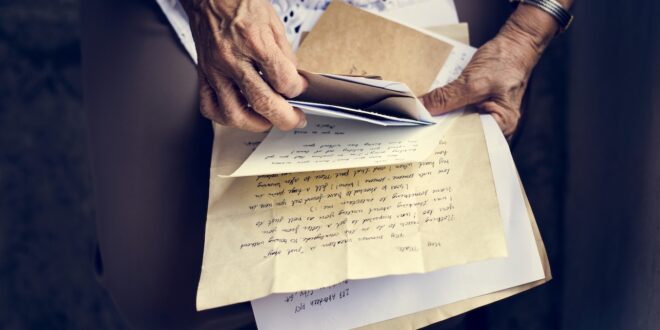
Much of the correspondence you will come across will be business related – in which case, a quick sift through will allow you to know what, if anything, needs to be kept. Personal letters, however, are among the most sensitive of the deceased’s papers you will have to deal with. Even then, they won’t all need to be retained. However, whether you like it or not, you really have no choice but to read through them all, even if you do it quickly. If letters hold significance (snippets of family history or events, for instance) and they offer no offence or distress to anyone who might read them, retain them for family to look through at their leisure.
Where you come across correspondence of a sensitive (or even highly sensitive nature), try to remember you have been chosen to carry out the task you are undertaking, because the deceased – or at the very least – their executor) trusted/trusts your discretion and tact. So, try not to doubt yourself as you decide what to do with this material, and where you do have legitimate doubts, seek the guidance of the deceased’s lawyer, or even a professional (such as a counsellor) if necessary. Perhaps the three best questions you can ask yourself, when you encounter sensitive correspondence, are: ‘Would the deceased want me to pass on this correspondence to the person it relates to? Will the information in this letter benefit the family member it relates to, or simply distress them? Even if the information in the letter would be distressing to the family member, are they entitled to know of its contents, regardless?’ When passing on sensitive correspondence to a family member, always prepare them appropriately in advance so they have support in place when you deliver it – don’t deliver it without warning.
If you have come this far with winding up a deceased estate – congratulations. From here on in, your tasks are now more straight forward, as we’ll discuss in the next, and last article, in our ‘Home Alone’ series.

Join the Discussion
Type out your comment here:
You must be logged in to post a comment.