






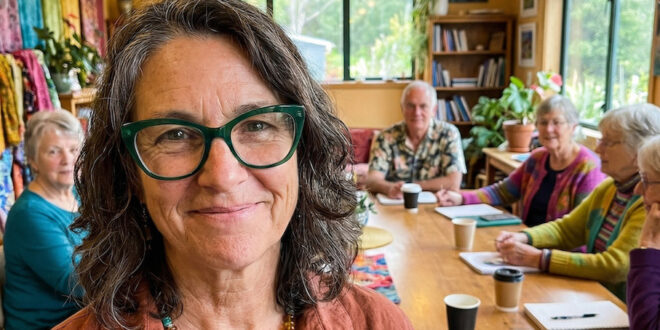
Have you ever found yourself thinking, “I am too old to learn”? It is a common sentiment as we get older. We often believe our brains are fixed, our best learning years are behind us, and memory slips are just an inevitable part of the journey. But what if I told you science proves the exact opposite?
As the co-founder of Love Heart Social Learning, alongside Frances Valintine CNZM, I spend my days exploring how we can keep our minds vibrant, curious, and connected. The truth is, your brain is far more adaptable than you might think. It is designed to grow, change, and strengthen at any age.
This remarkable ability is called neuroplasticity. Simply put, it means your brain can physically rewire itself, form new neural pathways, and adapt to new experiences. Whether you are 50, 70, or 90, your brain possesses an incredible capacity to grow.

The Science of a Growing Brain
For a long time, the common belief was brain development peaked in our twenties and then slowly declined. However, modern research paints a much brighter picture. Dr Prashanthi Vemuri, a neuroimaging scientist at the Mayo Clinic, explains neuroplasticity allows the brain to change and adapt based on the environment, stimuli, or experiences.. This means when you challenge your brain with something new, you are literally building new connections.
The benefits are profound. A 2025 study published in Innovation in Aging found the cognitive benefits of later-life education were equivalent to delaying cognitive decline by nearly six years. Similarly, research highlighted by the American Academy of Neurology shows lifelong learning and mental enrichment can delay the onset of dementia by up to five years.
What does this mean for us? It means picking up a new hobby, learning a language, or joining a study group is not just a way to pass the time. It is a powerful tool for protecting your cognitive health and keeping your mind sharp.
Global Proof Curiosity Keeps Us Young
Around the world, we see inspiring examples of how learning and new experiences benefit older adults.
Take dance, for instance. A landmark study published in the New England Journal of Medicine by researchers at the Albert Einstein College of Medicine looked at 11 different physical activities and their effect on dementia risk. They found dance was the only physical activity that significantly lowered the risk. Why? Because learning dance steps requires both mental effort and physical coordination, while the social aspect provides an extra boost to brain health.
Creative hobbies make a difference too. Knitting and crocheting have been shown to slow cognitive decline by up to 50 percent. Learning to use new technology, engaging in art classes, or discussing history can all stimulate your brain in positive ways.
Research from the University of California, Riverside, showed older adults who spent time learning at least three new skills (such as using an iPad, speaking Spanish, or drawing) saw their memory and attention scores improve to match those of middle-aged adults. One year later, their scores were similar to those of undergraduate students.
Here is something wonderful: while our natural tendency to be inquisitive might slow down slightly as we age, our “state curiosity,” the momentary spark of interest we feel when we encounter something new, actually increases sharply after middle age. We are perfectly primed to dive into new topics and explore the world around us.
Embracing the Adventure in Aotearoa
Here in New Zealand, our population is changing. By 2028, we will have one million people aged 65 and over. This is a wonderful opportunity to redefine what those years look like. It is a time for connection, discovery, and joy.
Organisations like the University of the Third Age (U3A) have shown how powerful peer-led learning can be, with groups across the country gathering to discuss everything from te reo Māori to local history.
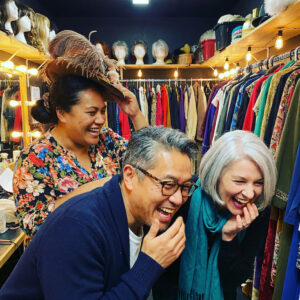
Love Heart are passionate about bringing this spirit of discovery to life. They believe learning should be social, engaging, and above all, fun. Whether it is joining one of their Workshops to explore the impact of technology, attending a Learning Lunch to hear from expert speakers over a shared meal, or heading out on a Learning Experience for a full day of learning about health or technology, to going places like the Port, local businesses or a monastery, the goal is the same: to step out of your comfort zone and meet new people.
Your Next Steps
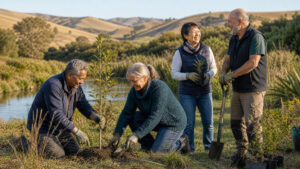
So, how can you start putting neuroplasticity to work for you today? Try something completely new. If you love reading, try painting. If you are a gardener, perhaps look into a local history group. The key is to challenge your brain with unfamiliar tasks.
Make it social. Learning with others provides a double benefit. Social interaction is a known protector against cognitive decline, and sharing a laugh over a new skill is good for the soul.
Stay positive. As you will have noted, in last week’s article we noted Research from Yale University suggests holding positive beliefs about aging can lead to better health and even increase your lifespan by an average of 7.5 years! Believe in your brain’s ability to grow.
It is never too late to learn, to grow, and to surprise yourself. Your brain is ready for the next adventure. The only question is: what will you learn first?
By Fee Webby, Co-Founder and Managing Director, Love Heart Social Learning


Join the Discussion
Type out your comment here:
You must be logged in to post a comment.