






In New Zealand, we live with a fairly unique reality when it comes to insurance. Earthquakes, floods, and land movement are not rare “what if” scenarios here — they are part of the risk landscape. Most people assume they are covered for these events simply because they have house insurance. The truth is more layered than this, and in some cases, it can be the difference between a fully repaired home and a very expensive gap in cover.
Understanding how your private insurance interacts with the Earthquake Commission is not just a technical detail. It can directly affect how quickly you recover after a natural disaster, and how much of the cost you personally carry.
EQC vs Private Insurance: Where One Stops and the Other Starts
In New Zealand, residential natural disaster cover is split between the Earthquake Commission (EQC) and private insurers. EQC provides a foundation layer of cover for specific natural events such as earthquake, landslip, volcanic activity, hydrothermal activity, and some storm-related land damage. This applies primarily to residential land and the initial portion of damage to the home, up to a set financial cap.
Private insurers then provide the broader cover which sits above and beyond EQC. This includes the main structure of your home once EQC limits are reached, along with other standard risks such as fire, theft, and accidental damage, depending on your policy. The important point is EQC is not designed to fully rebuild a home on its own. It is a starting point, not a complete safety net.
Contents Cover and the Hidden Gap After Floods or Slips
One of the most commonly misunderstood areas is contents insurance, particularly after flood or landslip events. EQC does not cover household contents at all, which means furniture, appliances, clothing, and personal belongings are entirely dependent on your private contents policy.
This is where many homeowners are caught off guard, because the focus after a disaster naturally shifts to structural damage. In reality, the cost of replacing everything inside a home can be just as significant as repairing the building itself. The challenge is most people underestimate the total value of their possessions until they are suddenly required to replace them all at once.
Contents cover also comes with limits easily overlook. Some policies set a total insured amount, while others apply caps to specific categories such as jewellery, electronics, or individual high-value items. If those limits are not aligned with reality, gaps can appear, even when insurance is in place.
Why Your Sum Insured Matters More Than You Think
The sum insured on your home policy is one of the most important figures in your entire insurance arrangement, yet it is also one of the most commonly outdated. This figure represents the maximum amount your insurer will pay to rebuild your home, and if it is set too low, the difference is yours to cover.
This becomes particularly significant after major natural events, when construction demand increases and rebuild costs can rise quickly. Labour shortages, material constraints, and regional pressure all influence pricing, meaning the cost of rebuilding a home can shift significantly over time.
It is important to recognise rebuild costs are not limited to the physical structure. Demolition, engineering assessments, compliance requirements, council fees, and debris removal all contribute to the final cost, often in ways people do not initially anticipate.
When Land Moves: Slips, Floods and Complex Damage
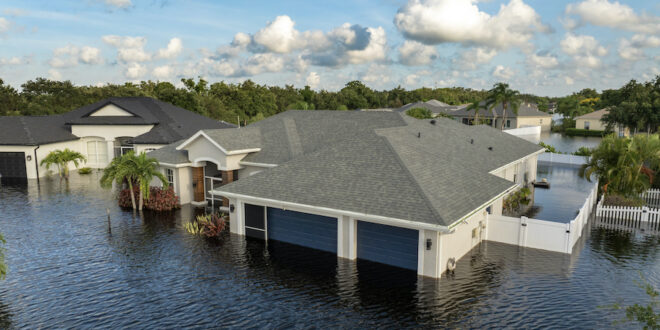
Natural events such as slips and floods can create more complex insurance outcomes because the damage is not always contained to a single part of the property. A landslip, for example, may affect both the structure of the home and the stability of the land beneath it, while flooding can impact foundations, wiring, insulation, and contents simultaneously.
In these situations, EQC may contribute to certain aspects of land damage, while private insurers typically cover the structure and contents depending on the policy. The process of determining what is covered by which party can take time, particularly after large-scale events where claims volumes are high and assessments are more complex.
A Simple Habit to Reduce Risk
One of the most practical steps homeowners can take is to review their insurance after any significant change, including renovations, extensions, or improvements that increase the value of the home. These changes often accumulate gradually, meaning the gap between insured value and actual replacement cost can widen without being noticed.
It is sensible to review cover after major natural events in your region, even if your own property was not directly affected. These events can influence construction costs, insurer assessments, and broader risk conditions, which may impact the adequacy of existing cover.
A simple annual review of both your sum insured and contents cover helps ensure your policy continues to reflect reality rather than outdated assumptions. Over time, even small changes to a home or lifestyle can significantly alter the level of protection required.
Insurance is not something most people think about until they need it, yet in a country like New Zealand, where natural hazards are part of everyday life, clarity matters. The aim is not to create constant concern, but to reduce the risk of discovering a gap when it is no longer possible to fix it.
Protecting Your Home With Confidence
Even well-structured insurance policies can develop gaps over time, particularly as property values change, renovations are completed, or new risks emerge after major weather events. The difficulty is these gaps are rarely obvious until something goes wrong, by which point it can be too late to adjust cover easily or cost-effectively.
A simple policy review can help clarify whether your home, contents, and rebuild sum insured still reflect your current situation. For many people, it is about understanding where they stand and whether there are any unintended shortfalls.
If you would like clarity on your cover, reach out to OverFifty Insurance. Designed specifically for New Zealanders over 50, OverFifty Insurance helps simplify the process, identify potential shortfalls, and ensure your cover is structured around the life you are actually living now — not the one you had ten years ago.


Join the Discussion
Type out your comment here:
You must be logged in to post a comment.