





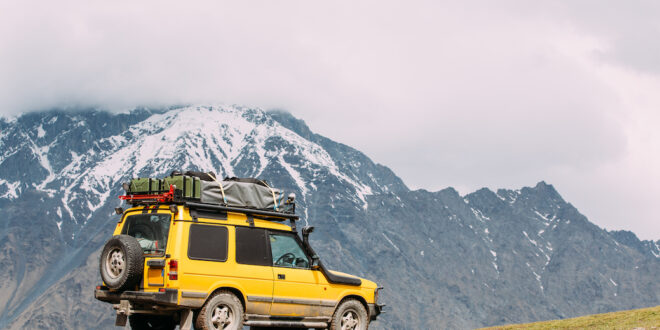
You see the advertisements all the time. A four-wheel drive powering through a river, climbing a muddy track, or heading confidently into terrain most drivers would avoid without a second thought. It looks adventurous, capable, and completely normal for the vehicle, so it’s a fair question to ask: if your 4×4 is designed to go off-road, surely your insurance covers it when you do? For many drivers, the answer is not as straightforward as they assume.
The assumption most drivers make
Most people take it for granted comprehensive vehicle insurance covers them wherever they choose to drive. If the car is insured, the thinking goes, then the car is insured. The reality is insurance policies are written with specific definitions of how and where a vehicle can be used. In some cases, this definition quietly excludes off-road driving altogether, which means damage sustained outside of a formed road can fall into a grey area, or in some cases, be completely excluded. It often only becomes clear after a claim is made.
When “off-road” becomes a problem
Off-road driving is not treated the same way across all insurance policies. Some insurers explicitly exclude it. Others allow it, but only under certain conditions. The challenge lies in how “off-road” is interpreted. For one driver, it might mean a gravel access track to a campsite. For another, it could mean river crossings, beach driving, or navigating forestry roads. These differences matter because insurers assess risk based on the type of terrain and the circumstances of the damage. In simple terms, the further you move away from a standard road environment, the more carefully your cover needs to be understood.
The idea of “genuine loss”
Some policies do not completely rule out off-road use, but instead rely on the concept of “genuine loss.” This is where things become more subjective. A genuine loss might include unexpected damage not reasonably avoided. For example, sudden hail damage while travelling on an approved track, or an accident caused by another vehicle in an uncontrolled situation. However, if damage occurs in circumstances where risk was clearly part of the activity, the outcome can be very different. Driving through water deeper than recommended levels, entering terrain clearly unsuitable for the vehicle, or pushing into areas known to be hazardous may all result in a declined claim. The key point is insurers will often look closely at whether the damage was preventable.
Why “it was advertised that way” doesn’t help
One of the most common frustrations among 4WD owners is the gap between marketing and insurance reality. Manufacturers promote capability – vehicles are shown in challenging environments because it’s part of their appeal. Insurance, however, is not based on what a vehicle can do, it is based on what a policy agrees to cover. A vehicle might be perfectly capable of handling rugged terrain, but doesn’t automatically extend to insurance protection when things go wrong in that environment.
What you should check before heading off-road
Before taking a 4WD into anything beyond standard road conditions, it is worth understanding exactly what your policy says. It does not necessarily mean reading every page in detail, but it does mean knowing the key points:
- Does your policy explicitly include or exclude off-road driving?
- Are there conditions around where you can drive?
- How does your insurer define “road” versus “off-road”?
- Are there limits around water crossings or rough terrain?
If anything is unclear, a quick conversation with your insurer is far better than discovering the answer after a claim is declined. Some insurers may also offer optional cover or specific policies better suited to off-road use. The important part is knowing what you have before you need it.
A simple rule of thumb
As a general guide, if something is not clearly written into your policy, it should not be assumed. Off-road driving is one of those areas where small misunderstandings can have large consequences. It does not mean you cannot enjoy it. It simply means it pays to be informed before you do.
Getting advice before you go
If you are unsure about what your current insurance actually covers, it can help to speak with someone who deals with a range of policies and providers. Different insurers approach off-road cover in different ways, and the right advice can make it much easier to understand where you stand.
If you would like help reviewing your options or checking whether your current cover suits the way you use your vehicle, you can speak with Brian from Over Fifty Insurance. He can walk you through the details and help you understand what is and is not included before you head off on your next adventure.



Join the Discussion
Type out your comment here:
You must be logged in to post a comment.