






A common misunderstanding in later life is the idea health improvement is about trying to stay young. In reality, most people are not trying to reverse age, they are trying to maintain independence, capability, and confidence in everyday life. This shift in focus changes everything about how health is approached.
Independence looks different for everyone, but it often includes simple, practical goals. Being able to move comfortably through daily routines, manage one’s home, stay socially connected, and continue doing the things that bring enjoyment. These are not youthful ambitions, they are quality-of-life priorities.
When health is framed through the lens of independence rather than age reversal, expectations become more realistic. The goal is no longer to match a younger version of oneself, but to support the version of life being lived now, which makes health decisions feel less pressured and more grounded.
There is something quietly liberating in removing the idea of “staying young” from the conversation entirely. It replaces comparison with acceptance. Instead of measuring progress against an earlier version of yourself, the focus shifts to whether life feels steady, manageable, and enjoyable today. This reduces frustration and often leads to more consistent habits, because the target is achievable rather than idealised.
What independence actually depends on
Small physical capacities often play a surprisingly large role in independence. Balance affects confidence in walking, climbing stairs, or navigating uneven ground. Strength influences the ability to carry groceries, lift objects, or travel comfortably. Energy levels affect participation in social activities, hobbies, and outings. None of these require intense training programs to support, but they do benefit from regular, gentle attention.
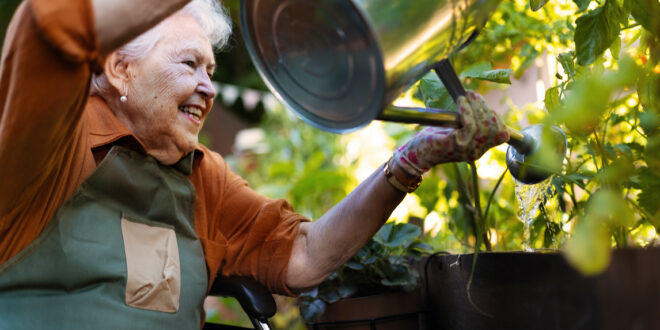
“Gentle attention” does not need to mean complicated routines or structured fitness plans. In many cases, it simply means keeping the body regularly engaged through manageable everyday movement. Walking helps maintain balance, stamina, and confidence, while light strength or mobility exercises can make daily tasks feel easier and more comfortable. Simple habits such as standing up regularly, gardening, stretching, swimming, or staying active through hobbies all contribute to maintaining physical capability over time. The key is consistency rather than intensity. Small actions repeated regularly are often far more effective, and sustainable, than ambitious programs that become difficult to maintain.
Mental wellbeing is equally important. Maintaining routines, staying socially engaged, and having a sense of purpose all contribute to feeling capable and independent. Health is not only physical condition, but the ability to participate in life without unnecessary restriction or hesitation.
One of the most important but least discussed elements of independence is confidence. Confidence in your body’s ability to do everyday things without hesitation has a direct impact on how active people remain. When confidence drops, activity often reduces, which then affects strength, balance, and energy in return. It becomes a quiet cycle which can either support independence or gradually erode it. The encouraging part is even small improvements in movement and routine can rebuild confidence over time.
There is also a social dimension that should not be underestimated. Staying connected to others often encourages movement, routine, and engagement in ways solo motivation sometimes cannot. A regular coffee with friends, a community group, or simply meeting family members can act as anchors to keep people active in subtle but important ways.
Independence as something you maintain, not achieve once
One of the most empowering aspects of this stage of life is comparison becomes less relevant. There is less need to measure against others or against earlier decades. Instead, the focus shifts to what allows life to remain enjoyable and manageable now, which reduces pressure and increases clarity.
There is a subtle but important psychological benefit in reframing goals around independence. When people stop chasing “youthful” benchmarks, they often become more consistent simply because the target feels achievable. Instead of aiming for transformation, they aim for stability. Stability is far easier to maintain, and over time it produces its own form of strength.
Small habits continue to play a central role. Regular walking, light strength exercises, stretching, and maintaining daily routines all contribute to maintaining independence over time. The benefit is not dramatic transformation, but steady preservation of ability. Over months and years, these small actions help maintain the freedom to continue living life on one’s own terms.
What often becomes clear is independence is not a fixed state you either have or lose. It is something continuously supported through everyday choices which might mean staying active in small ways. Maintaining social contact, or simply paying attention to how the body feels and responding earlier rather than waiting for problems to escalate.
Health does not need to be framed as a race back to youth, it can be understood as a way of supporting the life already being lived. When this happens, effort feels more meaningful and less forced. The goal becomes simple: stay well enough to stay engaged. In this sense, the most valuable outcome is not looking younger, but remaining capable, confident, and independent in the years ahead.

Join the Discussion
Type out your comment here:
You must be logged in to post a comment.