






It’s so easy to fall into a rut with winter cooking. So, if bay leaf, chilli, or red and green curry paste have become your go-to flavour boosters, it’s time to check out the following flavour inspiration!
White miso
While regular miso isn’t new to many, white miso has become the flavour-of-the-month because of its mild, aromatic properties. Miso is an everyday seasoning essential for Japanese cuisine. It’s used in soups, sauces, spreads, marinades, and as an ingredient in pickling. Miso is made by fermenting soybeans with a range of other plant-based Japanese staples such as seaweed, rice, and barely. The result is an earthy, meaty, paste combining both sweet and savoury flavours. Miso delivers an ‘umami’ flavour, one of the five basic tastes, and one which is often added to food via the flavour enhancer, MSG (monosodium glutamate).
Miso comes in a range of styles, many of which are too dark and strong for Western palates. Which is where white miso comes into its own. A more mild miso, the white paste can be used in stews, casseroles, soups, and winter salad dressings without overpowering other ingredients. To get started with white miso, use it (in roughly the same amounts) in cooking to replace flavouring ingredients such as beef or chicken stock, Vegemite, or soy sauce. Try adding half to 1 teaspoon to your regular coleslaw dressing. Hunt out miso recipes online, and replace darker forms of miso (such as red miso) with the white version.
Liquid smoke
Smoke flavour – we can’t get enough of it! The theory is our craving for smokey flavour comes from an ancestral association of smoke with cured and dried foods. Whether or not humans have evolved to love smoke flavour because our cave-ancestors used fires to cook and preserve, we’ll never know. But what we can figure out, is how to access smoke flavour without heading outdoors to the barbecue on a chilly winter’s evening!
Smoke flavoured foods include smoked fish and shellfish, smoked cheeses, bacon, sausage, sauces, and more. If we want to add smoke flavour to our own cooking, we can turn to smoked paprika or chipotle (smoked jalapeño pepper). However, if you want to add a smokey tang without the spicy heat, liquid smoke is the way to go – and we make this condiment right here in New Zealand. Liquid smoke is brewed by burning untreated, non-toxic wood chips at very high temperatures and moisture levels until they release their aromatic gases into liquid (don’t be tempted to try it at home – it’s a highly technical process). The liquid smoke can then be added, a drop or two at a time, to stews and casseroles, dips, and sauces. You can even use it to create hāngi-flavoured steamed foods, and vegetarian bacon. When you first start to use liquid smoke, be on the conservative side, and add less rather than more, until you find the strength that suits you.
Tamarind
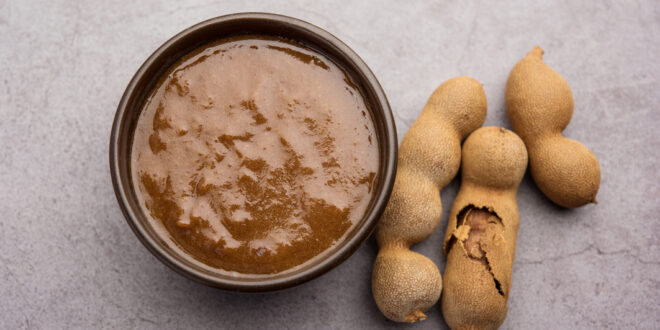
Tamarind is derived from the sweet pulp which lines the inside of fruit-like pods which grow on the tamarind tree (Tamarindus indica). Sweet, but also deliciously acidic, the reddish-brown pulp can be purchased in ethnic food stores and some mainstream supermarkets. It delivers a tasty punch to chutneys, curries, stews, soups, and sauces, and provides a point of difference when used in recipes to replace lemon juice. It pairs well with savoury dishes that use fruits such as apricot and mango. Think of tamarind paste as a flavoursome ‘souring’ ingredient, and use your own initiative when incorporating it into cooking. But, before you do, it’s always best to begin with a recipe!
This winter, experiment with these new flavours, and keep your diners guessing!

Join the Discussion
Type out your comment here:
You must be logged in to post a comment.