






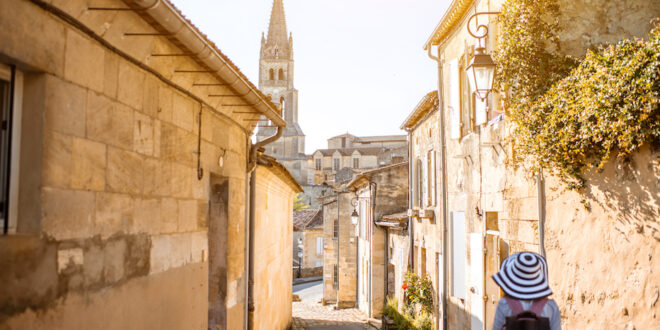
There’s something uniquely compelling about walking in the footsteps of your ancestors. For many, travel is more than a break from the everyday—it’s a chance to reconnect with family stories, to breathe life into tales passed down through generations, and to understand the roots of who we are. Exploring family history through travel blends adventure with personal discovery, offering a deeply enriching experience standard sightseeing cannot match.
For decades, family history research has largely been a desk-bound pursuit. People spent hours poring over old documents, letters, and photographs, often uncovering fascinating insights about their ancestors’ lives. Today, however, travel adds a dynamic new layer. Visiting ancestral towns, exploring the streets where your great-grandparents once lived, or walking the countryside they farmed creates a tangible, emotional connection to the past. Suddenly, history isn’t just a story—it’s a place you can touch, see, and smell.
Choosing Your Destination
The first step in a family-history-focused trip is identifying where to go. Sometimes this is obvious—your grandparents’ hometown or the country your ancestors emigrated from. Other times, it requires more research. Birth and death records, old family letters, or even DNA testing can provide clues about where your journey should begin.
Once a destination is chosen, consider which aspects of your ancestors’ lives you most want to explore. Is it the city streets where they built their lives, the countryside where they farmed, or the ports from which they departed? Planning with this focus can transform a standard holiday into a journey of discovery.
Connecting With Local Resources
No matter how much you know before you leave, local resources can provide invaluable insights. Historical societies, archives, local libraries, and even parish records can open doors to stories that don’t exist online. Sometimes, speaking to local historians—or even older residents—can uncover personal anecdotes that never made it into official records.
Visiting these places can also provide a context that documents alone cannot. Walking through a town square, seeing the size of a tiny house, or observing the local landscape helps bring ancestors’ experiences to life. You might understand why they left, why they stayed, or the daily realities they faced in ways pure research never could.
Making the Experience Personal
Family-history travel is as much about storytelling as it is about seeing places. Many travellers choose to create a diary or photo journal during their journey, documenting not only what they see but also how it feels to stand where their ancestors once stood. Some even combine this with research, visiting archives and then reflecting on what those documents mean in the context of their surroundings.
Engaging the next generation can also make the experience particularly rewarding. Children may initially see it as just another trip, but turning it into a story-driven adventure can spark curiosity about their roots. Showing them where relatives once lived, the schools they attended, or the landscapes they farmed can turn family history into a living, breathing narrative rather than a series of names on a page.
Unexpected Discoveries
One of the most exciting aspects of exploring family history through travel is the unexpected. Perhaps you’ll stumble upon a distant relative still living in your ancestral village or discover a family plot in a centuries-old cemetery. Even small discoveries, like finding a shop once owned by a great-grandparent or identifying a familiar street in an old photograph, can feel profound. These moments create a sense of continuity across generations, reminding us family history is not just in the past—it lives on through us.
Tips for a Meaningful Journey
To make the most of a family-history travel adventure, consider a few practical tips:
Research in advance: Knowing what records or locations are available can save time and make visits more productive.
Combine travel and research: Balance sightseeing with time for archives, cemeteries, and interviews.
Keep an open mind: Not all discoveries will match family stories, but contradictions can lead to new insights.
Document the journey: Photos, journals, and recordings preserve memories for yourself and future generations.
Embrace local culture: Understanding the social and cultural context of your ancestors’ lives deepens the connection.
Beyond Personal Discovery
Family-history travel can also foster broader understanding. By visiting regions impacted by historical events, migrations, or conflicts, travellers often gain insight into the broader forces that shaped their ancestors’ lives. It encourages empathy, a global perspective, and an appreciation for resilience across generations.
Moreover, these journeys can strengthen family bonds. Whether you travel solo, with siblings, or across generations, shared experiences in ancestral lands can spark stories, laughter, and conversations that might never happen in everyday life.
The Journey Continues
Returning home from a family-history trip often sparks new curiosity. You may find yourself inspired to dive deeper into genealogical research, plan another trip to a less-explored branch of the family, or even preserve your discoveries through storytelling, photography, or a digital archive. In this way, travel and research become a cyclical journey—one which evolves with each generation.
Exploring family history through travel transforms abstract research into lived experience. It connects the past and present in ways that resonate long after the journey ends. By walking where ancestors once walked, uncovering hidden stories, and capturing memories along the way, travellers create a bridge between generations—one that blends adventure, learning, and profound personal connection.

Join the Discussion
Type out your comment here:
You must be logged in to post a comment.