





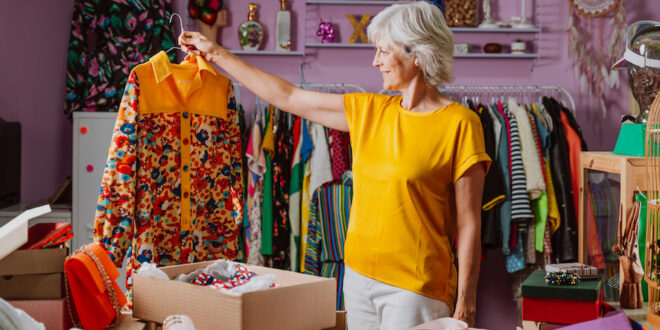
Vintage shopping is no longer a niche interest reserved for collectors and fashion historians. More and more people are discovering the joy of second-hand style, whether for its sustainability, affordability, or simply the thrill of finding a one-of-a-kind piece. Shopping vintage is about more than hunting for bargains—it’s about curating a wardrobe that reflects individuality and tells a story. For those over 50, it can also be a wonderful way to revisit favourite fashions from younger days while exploring looks that never go out of style.
So, how do you approach vintage shopping like a pro? Here are some practical tips to help you uncover treasures, avoid pitfalls, and enjoy the process along the way.
Know Your Style (and Your Wardrobe)
Before setting foot in a vintage store or trawling online marketplaces, it helps to know what you’re looking for. Do you love classic tailoring, quirky statement pieces, or timeless accessories? Having a clear idea of your personal style will keep you from feeling overwhelmed and help you avoid buying items that will never leave the hanger.
Take a look through your wardrobe first—what’s missing? Perhaps a blazer in a rich fabric, a silk scarf with personality, or a structured handbag. When you shop with a purpose, you’ll be more likely to find pieces you can complement with your existing collection.
Learn to Spot Quality
One of the joys of vintage shopping is discovering well-made clothing from eras when craftsmanship and durability were standard. Natural fibres like wool, silk, and cotton often hold up better than synthetics, and a quick feel of the fabric can tell you a lot. Look for sturdy stitching, strong seams, and linings that signal thoughtful construction.
Don’t shy away from labels, either—knowing a few classic designers or local New Zealand brands can help you spot something special. Sometimes an unassuming piece on the rack turns out to be a designer gem.
Be Open to Alterations
Perfect fit is rare when shopping second-hand, but it doesn’t mean you should pass up a piece you love. A slightly too-long hem or roomy waistband can often be fixed with minor alterations. Tailoring is your best friend when it comes to vintage. Many older garments were designed with generous seam allowances, which makes them easier to adjust.
Check the Condition
While many vintage pieces are remarkably resilient, it’s worth giving items a close inspection before you commit. Check zippers, buttons, hems, and underarms for signs of wear. Small flaws like a missing button are easily fixed, but major stains or fabric deterioration can be trickier. Trust your instincts—if you think a repair is beyond your skills or budget, it’s best to walk away.
Explore Different Places
Second-hand style isn’t limited to vintage boutiques. You can find treasures in op-shops, flea markets, antique fairs, and even online platforms like Trade Me or dedicated vintage resellers. Each place has its own personality: boutiques often curate higher-end pieces, while op-shops are more of a lucky dip. The key is persistence—the more you look, the more gems you’ll uncover.
Think Beyond Clothes
Vintage shopping isn’t just about clothing. Accessories, jewellery, hats, handbags, and even home décor can bring character to your style. A well-chosen brooch or silk scarf can elevate a modern outfit with a touch of history. Shoes, too, can be worth exploring, though comfort and wear are important to check carefully.
Mix Vintage with Modern
A common concern is looking like you’re wearing a costume. The secret is to mix vintage finds with contemporary pieces. Pair a vintage blazer with jeans, or wear a retro blouse under a modern jacket. Accessories are another way to blend eras—think classic pearls with a sleek dress, or a structured handbag with casual weekend wear.
Enjoy the Stories
Part of the charm of vintage shopping is the history behind each piece. That beaded clutch may have attended a ball decades ago, and the tailored coat might have kept someone warm through a Wellington winter in the 1960s. Wearing vintage allows you to carry those stories forward, while making them part of your own.
Shopping vintage is as much about the experience as it is about the clothing. It encourages slower fashion, celebrates individuality, and supports more sustainable choices. Whether you’re searching for nostalgia, a unique statement, or simply a beautifully made piece, second-hand style offers it all. With a bit of patience and a keen eye, you’ll soon be shopping vintage like a pro—and enjoying every moment of the hunt.

Join the Discussion
Type out your comment here:
You must be logged in to post a comment.