






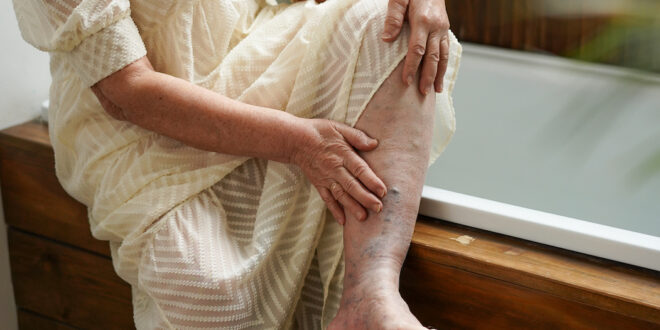
Varicose veins are more than just a cosmetic concern. For many people, they bring discomfort, aching, heaviness, and sometimes swelling in the legs. They can appear as bulging, twisting veins, often blue or purple, and are caused by weakened or damaged vein walls and valves. While surgery is an option for severe cases, there are plenty of non-surgical strategies to help manage symptoms, improve circulation, and slow the progression of varicose veins.
Understanding why varicose veins occur is the first step in managing them. Normally, veins have one-way valves that keep blood flowing upward toward the heart. In varicose veins, these valves weaken or fail, allowing blood to pool in the veins. This pooling increases pressure, causing veins to bulge, twist, and sometimes become painful. The skin over affected veins can feel heavy or achy, and swelling is common, especially after long periods of standing or sitting. Recognising this “blood pooling” effect is key to understanding why non-surgical strategies like exercise, leg elevation, and compression stockings can be so effective.
Factors such as age, genetics, pregnancy, prolonged standing or sitting, obesity, and even hormonal changes can increase your risk. Recognising these contributors allows you to make practical lifestyle adjustments that support vein health.
Exercise
One of the simplest and most effective non-surgical strategies is exercise. Activities that engage your leg muscles, especially walking, swimming, cycling, or yoga, help push blood through your veins and reduce pooling. Even short, frequent walks during the day can make a noticeable difference in circulation. Avoid sitting or standing in one position for too long; if your work requires it, try calf raises or ankle rotations to keep blood moving.
Compression stockings
These specially designed socks apply gentle pressure to the legs, encouraging blood to flow upward toward the heart. They can reduce swelling, relieve discomfort, and even prevent new varicose veins from forming. Compression stockings come in various strengths and lengths, so it’s worth consulting a pharmacist or GP to find the right fit for your needs.
Diet & weight management
Excess body weight increases pressure on leg veins, which can worsen varicose vein symptoms. Adopting a balanced diet rich in fruits, vegetables, whole grains, and lean proteins not only helps maintain a healthy weight but also supports overall vascular health. Certain flavonoid compounds, such as diosmin and hesperidin, have been studied for their ability to improve venous tone and support healthy blood flow in chronic venous insufficiency (CVI), which may help manage symptoms such as leg swelling and discomfort.
Lifestyle habits such as quitting smoking and limiting alcohol intake also support vein health. Smoking damages blood vessels, while excessive alcohol can lead to swelling and inflammation, exacerbating varicose vein symptoms. Small, consistent changes in these areas complement other management strategies and improve overall circulation.
Hydration and skin care are often overlooked but important. Drinking plenty of water keeps blood less viscous and promotes healthy circulation. Moisturising the skin over varicose veins can prevent dryness, itching, and discomfort. Gentle massage, while avoiding direct pressure on bulging veins, can promote blood flow and lymphatic drainage.
Elevating your legs regularly can also provide relief. Simple measures like lying down for 15–20 minutes with your legs raised above heart level a few times a day can reduce swelling and discomfort. Even propping your feet on a cushion while reading or watching TV can help. The goal is to take pressure off your veins and support the return of blood to the heart.
Footwear and clothing
Avoid tight clothing that restricts blood flow around your thighs or waist, and opt for comfortable shoes to support natural movement. High heels, while stylish, can reduce calf muscle activity, which plays a key role in circulating blood through your legs. Alternating with flat, supportive shoes can make a practical difference over time.
Additional support
Some natural supplements, like horse chestnut extract, have been studied for their vein-strengthening properties. While results vary, they may help reduce leg heaviness and swelling. It’s important to check with a healthcare professional before starting any supplement, particularly if you take medications or have existing health conditions.
Finally, regular monitoring of your veins is key. Keep track of any changes in size, colour, or discomfort levels. If symptoms worsen, new pain develops, or there are signs of complications such as skin ulcers, redness, or sudden swelling, seek medical advice promptly. Even without surgery, early intervention can prevent more serious problems and improve quality of life.
Managing varicose veins without surgery is about combining practical lifestyle adjustments with supportive measures. Exercise, compression stockings, elevation, dietary choices, weight management, and mindful habits all contribute to better circulation and reduced discomfort. While these strategies may not eliminate varicose veins completely, they can significantly improve daily comfort, slow progression, and support overall leg health. The key is consistency and paying attention to your body’s signals. With thoughtful care, varicose veins don’t have to dominate your life, and you can enjoy active, comfortable legs for years to come.

Join the Discussion
Type out your comment here:
You must be logged in to post a comment.