






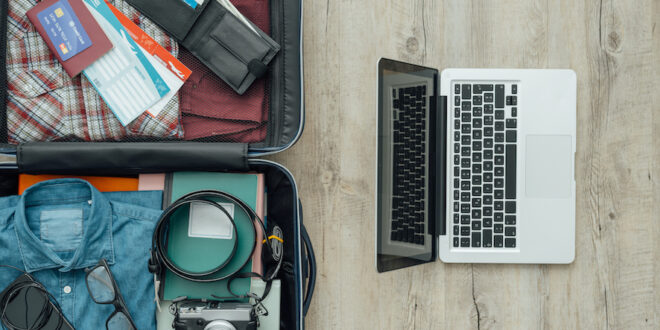
We’ve all been there: suitcase open, piles of clothes, toiletries, gadgets, and… that “just-in-case” item you’re probably never going to use. Packing for a trip often brings out the worst in our over-preparation instincts. While it’s tempting to bring everything but the kitchen sink, the reality is lugging unnecessary items can turn a dream vacation into a burden. Here’s a guide to the travel items you really don’t need—and why leaving them behind might just make your journey more enjoyable.
1. A Second Pair of Shoes
Many travellers insist on bringing multiple pairs of shoes “just in case”—heels for dinner, sneakers for sightseeing, sandals for the beach. Unless you’re going on a very long trip with drastically different activities, one versatile pair of shoes usually does the job. If you pick a comfortable, multi-purpose pair you can walk in all day, you’ll save space and weight in your luggage. A lightweight flip-flop or slip-on can cover the “beach or hotel pool” scenario without taking up much room.
2. Full-Size Toiletries
This one’s a classic mistake. Most travellers pack full bottles of shampoo, conditioner, body wash, and lotions, thinking they’ll save money by bringing their own. In reality, these take up space, add weight, and risk spillage. Instead, invest in travel-sized containers, or even better, buy toiletries at your destination. Many hotels provide the essentials, and local stores can be fun for discovering new products you wouldn’t normally try.
3. Excessive Clothing Options
We all like to feel prepared for every eventuality, but overpacking clothes often leads to lugging items that never get worn. Instead of packing outfits for “every mood,” focus on mix-and-match items in neutral colours. Lightweight layers are your best friend—they adapt to changing weather and can be dressed up or down. A clever rule of thumb: if you can’t wear an item at least twice during the trip, leave it at home.
4. Travel Guides and Maps
While it’s comforting to have a physical guidebook, most travellers now rely on smartphones for directions, recommendations, and real-time updates. A bulky guidebook might look useful, but it can weigh down your bag. Download offline maps, apps, or PDFs instead, and you’ll have the same information at your fingertips without the extra luggage.
5. Multiple Electronics and Chargers
In today’s hyper-connected world, it’s easy to overpack electronics—laptops, tablets, e-readers, multiple cameras, plus a tangled mess of chargers. For most trips, one primary device (usually your phone) can handle photography, navigation, entertainment, and communication. A single universal charger or power bank is often sufficient, keeping things simple and lightweight.
6. Fancy “Just-in-Case” Items
Think about the things you pack because “someone recommended them” or “just in case.” Travel-size laundry detergent, portable water filters, extra snacks, or a massive first-aid kit—these are often overkill. Unless you’re going on a remote adventure or specialised trip, most destinations have pharmacies, grocery stores, and convenience stores to cover emergencies. A few essentials are fine, but avoid turning your luggage into a mobile store.
7. Overabundance of Paperwork
It’s tempting to print tickets, itineraries, and confirmations for every flight, hotel, and activity. In most cases, however, digital copies on your phone or tablet are sufficient—and safer, too. Printing documents can be cumbersome and risky if lost. A small folder with copies of essential ID and travel insurance is usually all you need.
8. Bulky Bags and Backpacks
Many travellers bring multiple bags “for different purposes.” But managing too many bags can be exhausting, especially if you’re navigating public transport, stairs, or crowded streets. One reliable carry-on and a small daypack are often enough for most trips. The fewer the bags, the easier it is to move around, and you’ll thank yourself when you don’t have to drag around an extra duffel bag.
9. Souvenir Space Savers
It’s tempting to allow extra space in your suitcase for souvenirs “just in case” you find something special. The problem is, reserving large sections for hypothetical purchases often means you’re carrying empty luggage or compromising what you actually need.
A smarter approach is to pack lightly from the start and leave a little flexible space for the items you genuinely pick up during your trip. Whether it’s a local craft, a small gift, or a keepsake from a market stall, you’ll have room for the things that truly matter—without lugging around unnecessary bulk.
This way, your suitcase stays manageable, and you avoid the awkward scramble of trying to squeeze souvenirs into an already full bag.
10. Overpacking Sentimental Items
Family photos, multiple books, or keepsakes can add weight without serving much purpose on a short trip. Travel is about experiences, not carrying mementos around. If you must have sentimental items, limit them to one or two small objects, or rely on digital versions like photos stored on your phone.
Travel Light, Travel Happy
Packing light isn’t about sacrificing comfort—it’s about prioritising what truly matters for your trip. Every item you leave behind is a step toward freedom: less weight, less hassle, and more space for experiences. By skipping the non-essential shoes, clothing, gadgets, and “just-in-case” items, you can move with ease, spend less time stressing about your bag, and enjoy your travels without being weighed down.
Next time you start packing, ask yourself: “Do I really need this?” If the answer isn’t a clear yes, it should probably stay at home. Travel lighter, smarter, and happier—and your back (and suitcase) will thank you.

Join the Discussion
Type out your comment here:
You must be logged in to post a comment.