






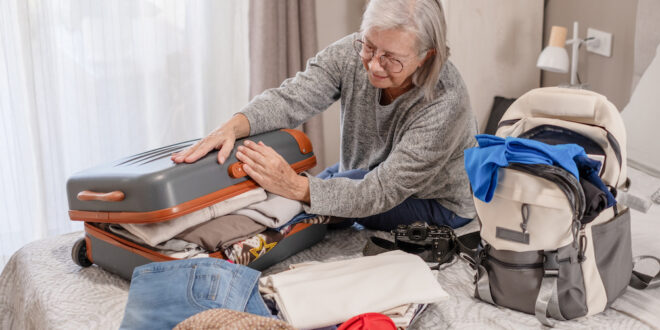
Overpacking: the nagging feeling you might need something—and the temptation to pack for every possible scenario.
“What if it’s colder than expected?”
“What if there’s a fancy dinner?”
“What if I suddenly decide to take up hiking?”
Before you know it, you’ve packed for a dozen different versions of your trip—except the one that’s actually happening. Somehow, you’re now hauling a suitcase up a narrow staircase in Paris, wondering if the lift was just a rumour.
Sound familiar?
If you’ve ever packed enough for a two-week cruise when you’re only heading to the Coromandel for a long weekend, this one’s for you. Let’s look at why we tend to overpack, how to recognise the habit, and how to avoid it—while still feeling calm, confident, and ready for whatever comes your way.
Why Do We Overpack?
Overpacking isn’t always about being disorganised. Often, it’s about reassurance. We like the idea of being ready for anything, especially as we get older and know sometimes the unexpected does happen—weather turns, dress codes pop up, shoes break, and moods shift. There’s comfort in knowing we’ve got options.
But that same instinct to prepare can tip over into dragging around a suitcase that could rival a small moving van. Instead of feeling confident, we end up stressed, struggling to find what we need, or coming home with half the contents untouched.
Spot the Signs (and Be Honest)
It’s not always easy to admit you’re an overpacker, but if your bag barely zips and you return from holiday with clothes you never wore, the evidence is there. If you find yourself packing outfits for moods instead of actual plans, or can’t narrow your shoe selection below five pairs, you might be letting “what if” thinking run the show. Packing for imaginary scenarios—like sudden invitations to cocktail parties or snowstorms in spring—is one of the clearest signs.
How to Shift Your Mindset
One of the most useful questions to ask yourself when packing is: What’s likely to happen, not what’s possible? The odds of a surprise black-tie dinner or snow in Naples are pretty low. If you’re still unsure, think about the last few trips you took—what did you actually wear? What didn’t you touch? Most people overestimate how much variety they’ll want in clothes and underestimate how often they’ll reach for the same comfortable favourites.
Another helpful shift is to stop thinking of packing light as “doing without.” Instead, it’s about trusting your future self. If something truly unexpected comes up, you’ll deal with it. You can buy a sunhat, borrow a scarf, or improvise with what you have. Being adaptable is one of the benefits of life experience—and it means you don’t need to carry your whole life with you.
Small Changes, Big Difference
Rather than aiming to pack everything you might want, aim to pack what you’ll actually use. Clothes that mix and match easily, fabrics that travel well, and outfits you know you feel good in are far more useful than a suitcase full of “maybes.” A neutral colour scheme helps keep things simple, and you can always add a splash of colour with a scarf or jewellery.
Shoes are often the biggest culprit in overpacked bags. Limiting yourself to just a couple of practical pairs is one of the best space-saving decisions you can make. It’s not about sacrificing style, but about choosing well—something comfortable for walking, something dressier if needed, and perhaps a lightweight option like jandals or slip-ons.
Toiletries also deserve a second look. There’s a tendency to pack for a month-long spa retreat when most places have shampoo and toothpaste. Travel-sized bottles, or even solid toiletries like soap and shampoo bars, are space-saving options—and they won’t leak through your bag.
Still Be Ready (Without Bringing Everything)
Of course, there’s a difference between overpacking and underpreparing. A few small items can go a long way: a lightweight scarf that doubles as a blanket on a chilly plane, a packable tote for shopping or day trips, and any medication or health items you rely on. These are the things that genuinely help—not the fourth pair of trousers or “emergency” evening bag.
It’s also smart to leave a little room in your bag, whether for souvenirs or simply to make packing easier as the trip goes on. If you know you’re a shopper, a foldable bag tucked into your case gives you flexibility without encouraging excess from the start.
Travel Light, Travel Freer
At the heart of it, avoiding overpacking is really about freeing yourself. A lighter bag means fewer things to manage, less to carry, and more time to enjoy the experience. You move through airports more easily, unpack faster, and don’t spend the whole trip rummaging through clothes you won’t wear.
So next time you’re tempted to add “just one more thing,” take a breath and ask: Is this helping me travel better—or just weighing me down?
You’ve got the experience, the resourcefulness, and the confidence to travel light—and still be ready for anything that truly matters.
Not sure where to start? Try this warm-up challenge:
Pack for a weekend getaway using only a carry-on bag or small backpack. You might be surprised how little you actually need—and how nice it feels to breeze past the baggage carousel on your way out the door.

Join the Discussion
Type out your comment here:
You must be logged in to post a comment.