






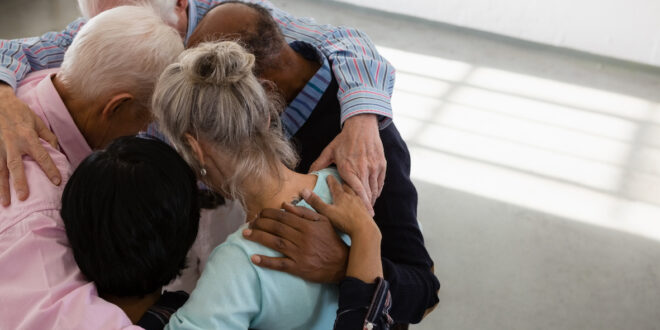
Doula – it’s a word which has arrived relatively recently in our vocabulary, yet its origins go back centuries. From the Greek language, ‘doula’ simply means: ‘a woman who serves.’ It was traditionally used in relation to a female who was available to support a woman before, during, and after child birth. That support encompassed everything from providing comfort, encouragement, and guidance – the sort of help offered by one woman to another over countless generations in almost every part of the world. Now, however, as well as being embraced by 21st century birth assistants, the doula designation is being used in a new context, and it’s one we should all know about. ‘Death doulas’ are rapidly becoming an important part of our own culture.
The concept of a doula to assist the dying first made its appearance in 2000 when terminally ill patients in New York were teamed up with volunteers whose brief it was to ‘accompany and comfort’ those whose lives were nearing an end. It wasn’t long until similar programs were being established.
While not medical professionals themselves, death doulas are trained to collaborate with staff from various professions including doctors, nurses, social workers and counsellors. Rather than diagnosing and giving medical support, death doulas offer advice, options, and solutions while never imposing their own beliefs upon the person they are caring for. Now, death doulas in various parts of the world, including New Zealand, can undertake a number of courses to equip them in this role.
Also known as ‘end-of-life-doulas’ or ‘death-midwives,’ death doulas undertake a wide range of practical tasks. With compassion, they offer both the dying, and their family, information about the dying process, how to prepare for it, and what needs to take place after death. They are up-to-date with the kind of palliative care options available including community and hospice care. They help the patient and their family navigate medical terminology, and help them formulate the kinds of questions they may want to ask of medical professionals. They are equipped to help all those involved in the dying process understand the wishes of the patient, including any cultural or spiritual beliefs they may have.
While a patient is still able to, a death doula can also help them to prepare small, personal items such as scrapbooks of photographs, letters, or recipes. They can help co-ordinate important matters such as a roster for those wishing to be by the bedside of a dying loved one. Above all, a death doula can be the steady professional figure who is a constant among the many comings and goings of medical staff and visitors. When death does come, they are there to help family and friends in their grief, to advise them of the formalities which need to take place, and to support them in following through with the wishes of their loved one.
Why the concept of a death doula has waited so long to come into existence is interesting to consider. Some believe it is in response to more open discussion about death and dying, and the realisation, even in the face of death, we have choices, and can mark out the path we wish to take. Nearing end-of-life does not mean we must relinquish our ‘selves’ and our preferences. Just as many women have turned to home births in recent years, now those who face death can look for more options to stay in their homes to the end. Part of why death doulas have been formally recognised as a profession, is many of us live in a world with an ageing population – where families may be far away or unavailable in the full-time way they would like to be. A death doula can help bridge these gaps.
If you would like to read more about death doulas and the services they offer to New Zealanders, visit their website. Because we all want to make a good end, both for ourselves, and those we love.

Join the Discussion
Type out your comment here:
You must be logged in to post a comment.