





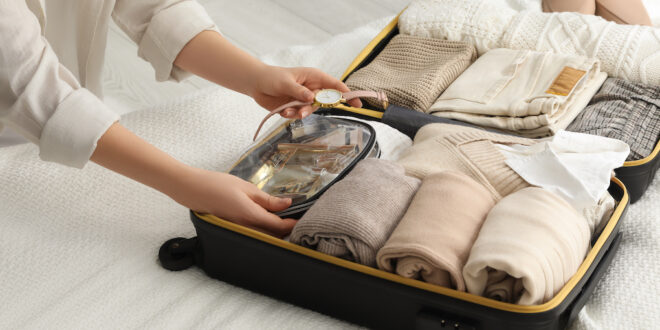
Packing a bag can feel like a puzzle, especially when you want everything organised and easy to access. Many travellers simply fold clothes and hope for the best, but a few tried-and-true techniques can save space, reduce wrinkles, and make your journey easier. Whether it’s a weekend trip or a long-haul adventure, mastering these packing strategies can make a big difference.
Rolling Method
The rolling method is one of the most widely recommended approaches. Instead of folding clothing flat, roll each item tightly into a cylinder. Place the rolls side by side or upright in the bag so everything is visible at a glance. T-shirts, lightweight trousers, and casual dresses work best, while heavier items like jackets or jeans may still benefit from folding or using the bundle method. Rolling maximises space, reduces deep fold creases, and allows easy access to individual items.
Bundle Packing Method
Bundle packing is less well-known but highly effective. Choose a central item, like underwear or a small packing cube, and layer other garments around it, heavier items on the outside. Fold or wrap the layers snugly into a compact bundle. This method reduces wrinkles, keeps outfits organised, and works especially well for longer trips where maintaining neat clothing is a priority.
Packing by Outfit
Packing complete outfits together can simplify dressing on the road. Decide what will be worn each day and roll or fold the items together, including socks, underwear, and accessories where possible. This prevents overpacking, speeds up getting dressed, and helps keep laundry sorted while travelling.
Packing Cubes
Packing cubes divide clothing into categories. Assign a cube to tops, bottoms, or sleepwear and place rolled or folded items inside. Cubes keep the bag organised, make unpacking and repacking simple, and slightly compress clothing for extra space.
Packing Awkward Items
Toiletry Bags
Separate toiletries into smaller pouches or packing cubes instead of one large bag. Flexible pouches fit neatly around other items and make it easy to grab what you need without disturbing the rest of the bag.
Jackets and Bulkier Outerwear
For puffer jackets with hoods, roll the jacket into its hood to keep it compact. For other jackets, open the jacket and lay it at the bottom of the bag, place other items on top, and fold the front around them like a protective shell. Alternatively, lay jackets flat as the top layer just before zipping.
Shoes
Limit yourself to 2–3 versatile pairs and wear your bulkiest pair if possible. Pack the others in a small shoe or cloth bag to protect your clothes. Place shoes at the base or along the sides of the bag, and fill them with socks, hosiery, or small accessories to make the most of available space.
Pro tip: Heavier shoes help stabilise the bag when placed at the bottom (near the wheels for rolling suitcases).
Layering & Organising Your Items
Start with bulkier items such as shoes, heavy jerseys, or jackets. Tuck smaller items like socks, underwear, and chargers into empty spaces around them. Next, layer rolled or folded tops and pants, followed by accessories, undergarments, and small gap-fillers such as scarves or chargers. Packing essentials first and adding extras at the end ensures the bag stays organised and full use is made of available space.
Why this works:
Maximises space efficiently.
Balances weight within the bag.
Keeps items accessible and prevents overpacking.
Packing doesn’t have to be stressful. By rolling, bundling, packing by outfit, layering strategically, and using packing cubes, you can travel lighter, smarter, and more comfortably. Small adjustments, like filling gaps with accessories or adding a few extra items at the end, make a noticeable difference. With practice, these techniques can transform packing from a chore into an almost enjoyable part of your journey.

Join the Discussion
Type out your comment here:
You must be logged in to post a comment.