






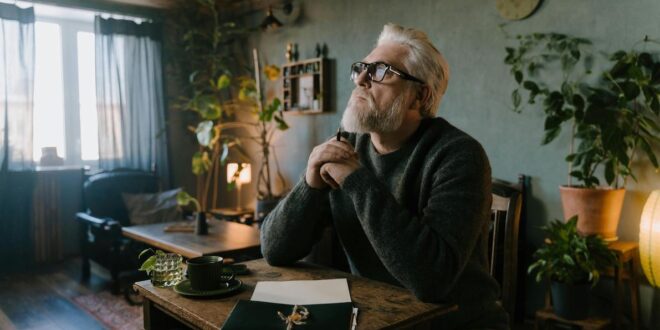
There comes a time in life when the big questions start to feel louder. What gives me peace? Who or what do I feel connected to? What still brings me wonder? These aren’t questions with neat, final answers—but they can shape how we live each day. For some, the later chapters of life become less about ticking off goals and more about exploring meaning, whether through spirituality, philosophy, connection, or creativity. And sometimes, the way we live these answers becomes the most enduring thing we leave behind.
Spiritual doesn’t mean religious
Spirituality means different things to different people. For some, it’s about faith or belief in a higher power. For others, it’s about awe in nature, connection with community, or the sense life has purpose and mystery. You don’t need to be religious to ask spiritual questions like:
- What gives me peace?
- Who or what do I feel connected to?
- What do I hope people remember me for?
- What still brings me wonder?
Sometimes, the search itself is what brings meaning. Simply making space to ask these questions—whether aloud or in your own mind—can shift how you move through the world.
You might find resonance in certain philosophical ideas, like the Stoic reminder to focus on what we can control, or the Buddhist concept of impermanence. Others might reflect on books such as Tuesdays with Morrie by Mitch Albom, The Art of Happiness by the Dalai Lama and Howard Cutler, or even Man’s Search for Meaning by Viktor Frankl. These works don’t offer answers so much as inspiration for personal contemplation.
Where people find answers
There’s no single path to exploring these questions. Some people write, journal, or create art. Others join discussion groups, listen to reflective podcasts, or talk things over with trusted friends. You might find insight on a walk, in a book, or during a quiet moment in the garden.
You could even host a relaxed evening with close friends or family—no pressure, just an open invitation to wear something bold you’ve never worn, share memories, laugh, and reflect together. Sometimes, these small gatherings spark the kind of conversations that stick with us.
It’s okay not to have it all figured out
Spiritual and philosophical questions aren’t about getting the right answers—they’re about reflection. You don’t need to have a final theory on the meaning of life, but asking, exploring, and paying attention to what matters to you is powerful in itself.
You still get to grow
Being retired doesn’t mean your spiritual or philosophical journey is finished. In fact, many people say they feel freer in later life to ask deeper questions, follow their curiosity, and prioritise meaning over expectations. This stage of life can be a time of tremendous richness—an opportunity to become more yourself than ever before.
Before we finish, there’s one more area worth reflecting on: what traces of ourselves we leave behind in others.
What You Leave Behind Without Knowing
A meaningful legacy can take many forms. It might be a life lesson shared with a grandchild, a story written down in a family journal, a skill passed on to the next generation, or even the way you treat people. The way you live your values can be more powerful than anything you leave in a will. Kindness, honesty, resilience—these can echo in your family or community long after you’re gone.
It’s not only about family. You might be remembered by a neighbour for the support you gave when times were tough, or by a younger colleague for showing patience and encouragement. You could leave a mark on a community group, a garden you helped grow, or a stranger you treated with grace when it wasn’t expected. Your legacy can live in the relationships you’ve nurtured, the courage you’ve modelled, and the way you’ve made others feel—valued, seen, and accepted. Can you think of a time where someone has made YOU feel this way? Was there someone who helped you early on in your career? What did that mean to you?
Leaving something of yourself behind
You don’t have to build a foundation or write a memoir (though you can if you want to!). A voice message for each grandchild. A handwritten recipe book. A personal photo album with notes. A letter to someone who changed your life. These are all simple ways to pass on pieces of yourself.
Don’t underestimate the value of your stories, your perspective, or your humour. Even your quirks can become cherished memories for those who knew you well.

Join the Discussion
Type out your comment here:
You must be logged in to post a comment.