






Wellness that supports the life you want—without chasing perfection
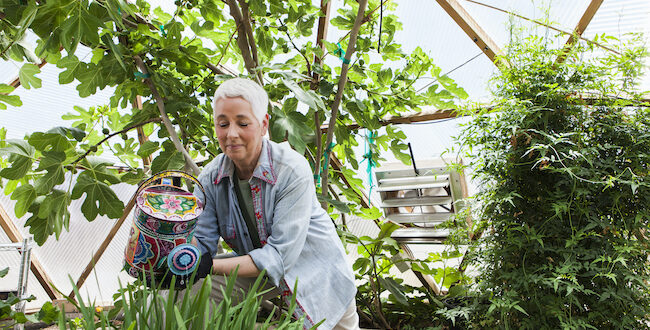
At some point, health stops being about fitting into a swimsuit or chasing a bigger number of steps. For many of us, especially in our 60s and beyond, the focus shifts: we want to feel well enough to do the things that matter. Whether it’s taking care of the garden, spending time with grandchildren, travelling, or enjoying a creative pursuit—we want the energy and comfort to fully live, not just survive.
In other words, we start prioritising quality of life over longevity alone, and this means our self-care routines may need to adapt.
Energy is a Resource—Spend It Wisely
One of the most overlooked aspects of wellbeing in later life is energy management. You may not have the same reserves you did at 30—and that’s not failure. It’s reality. The key is to work with it, not against it.
Start by noticing where your energy goes. Are there parts of your day which feel draining but optional? Could you spend less time on things that deplete you, and more on things that nourish you?
For example, some people find preparing fresh, healthy meals every day is tiring—so they batch cook and freeze it in portions. Others realise they’re pushing themselves to do intense exercise routines which leave them sore, not energised. Swapping to walking, gentle swimming, or stretching might better support their stamina and comfort.
It’s also worth remembering rest is productive. Allowing yourself downtime between social engagements, errands, or travel isn’t laziness—it’s smart energy budgeting.
Self-Care That Fits You
If wellness advice makes you feel overwhelmed, you’re not alone. Many self-care routines seem designed for younger bodies with endless motivation. When your aim is to feel well enough to enjoy your life—not to optimise every metric—then your routine should reflect it. This might mean:
Swapping the 6am bootcamp for tai chi in the park.
Enjoying the occasional piece of cake without guilt.
Taking five quiet minutes each morning for tea and stillness, instead of launching into the day.
Letting go of perfection and embracing “good enough” routines.
Your wellbeing plan doesn’t have to look impressive on paper—it just has to support the life you want.
Quality of Life vs. Longevity: A Personal Reframe
We often hear messages about extending life at all costs—avoid this, restrict that, do more. But what if the goal isn’t living longer, but living better?
For some, it means feeling confident getting around independently. For others, it might mean being able to travel, attend social events, or keep doing the hobbies they love. In every case, it’s about maintaining a lifestyle that feels rich, connected, and satisfying.
This reframe gives you permission to make health choices which serve your version of a good life—not someone else’s. It also reduces the pressure to chase rigid goals that don’t really matter to you.
What Brings You Joy?
A helpful exercise is to make a short list of what brings you energy—or peace, or joy. Then consider whether your current health and wellbeing routines are supporting those things.
Are you walking so you can stay mobile enough to tend your veggie garden? Stretching so you can get up and down off the floor with the grandkids? Saying no to another committee meeting so you can have the afternoon to paint?
Health doesn’t exist in a vacuum. It exists so you can live, and this means your health habits should serve the life you want—not the other way around.
As we age, it makes sense to rethink what “health” really means. It’s not about perfection, endless motivation, or chasing youth—it’s about preserving energy for the things that make life rich.
None of this is to say we should toss out everything we know about healthy living—eating well, staying active, and checking in with our GP still form the foundation. But we can build on that foundation in a way that supports joy, not just rules.
Adapting your self-care routines to better support how you want to live can help you feel more empowered, less overwhelmed, and far more purposeful. Because at this stage of life, wellness isn’t about proving anything—it’s about living well enough to enjoy what you’ve worked so hard to build.

Join the Discussion
Type out your comment here:
You must be logged in to post a comment.