
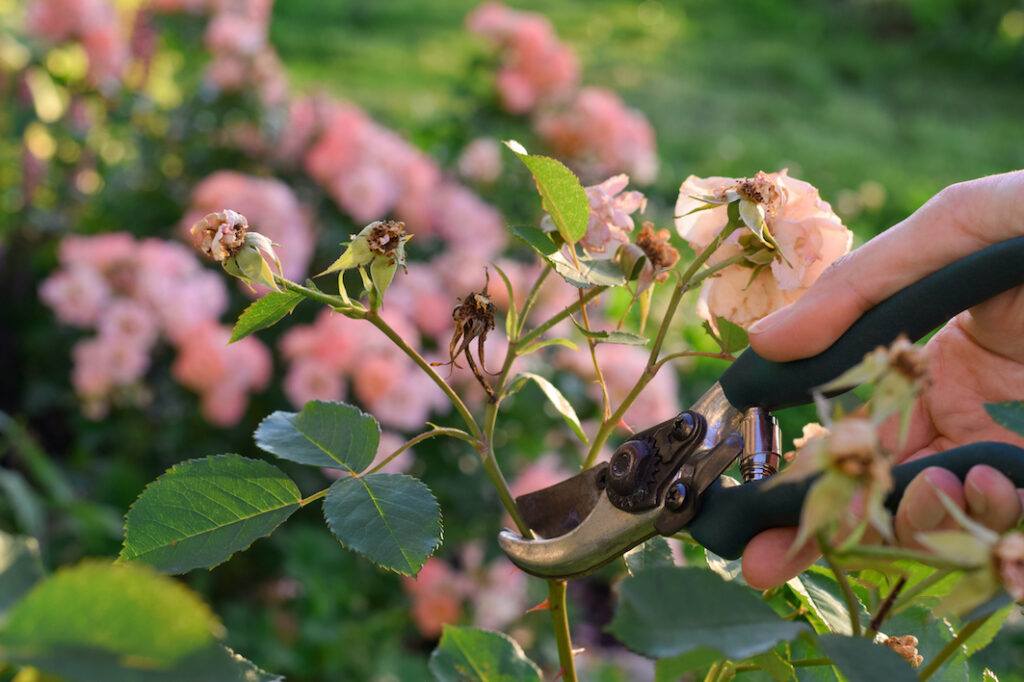
If you grow roses, you’ll know they reward a little effort with stunning blooms throughout the season. One of the simplest yet most effective ways to keep your rose bushes looking their best is through deadheading—the practice of removing spent flowers. Whether you’re growing climbing roses, miniature roses, or classic hybrid teas, deadheading is essential for keeping plants vigorous, encouraging new blooms, and maintaining overall plant health.
Why Deadheading Matters
Deadheading serves two key purposes: it prevents the plant from putting energy into seed production (rose hips) and encourages it to produce fresh blooms instead. When a rose is left to form hips, it assumes its job is done and slows down flower production. Removing faded flowers tricks the plant into thinking it hasn’t finished blooming yet, triggering fresh growth and extending the flowering season.
In addition to producing more flowers, deadheading also improves air circulation around the plant, reducing the likelihood of fungal diseases such as black spot and powdery mildew. It keeps the plant looking tidy and well-maintained, making your garden all the more enjoyable.
When and How to Deadhead
Timing is everything when it comes to deadheading. As soon as a flower fades and begins to wilt, it’s time to remove it. Different types of roses may have slightly different needs, but the basic principles remain the same.
To deadhead effectively:
- Locate the first set of true leaves below the spent bloom.
- Using sharp, clean secateurs, cut just above an outward-facing leaf node. This encourages outward growth, preventing a tangled, overcrowded plant.
- Make the cut at a slight angle to help water run off and prevent disease from taking hold.
- If you prefer larger blooms, cut further down the stem. This results in fewer but bigger flowers, although they will take longer to develop.
- For roses that bloom in clusters, such as floribundas, wait until most of the flowers in the cluster have faded before trimming the whole bunch.
Sealing cuts isn’t usually necessary, as roses heal quickly. However, if you experience issues with mini wasps or borers, a dab of white glue on the cut end can help deter pests.
Different Approaches for Different Roses
Not all roses behave the same way, and deadheading strategies vary depending on the type of rose you’re growing.
- Hybrid Tea Roses & Floribundas – These benefit most from regular deadheading throughout the growing season. The more consistently you remove spent flowers, the more blooms they’ll produce.
- Climbing Roses – Some climbers bloom only once per season, while others repeat-flower. For repeat bloomers, deadheading encourages fresh growth, while for once-a-season bloomers, it’s best to wait until after the flowering period to prune more significantly.
- Miniature Roses – These small but mighty plants need frequent deadheading to keep up a steady stream of blooms. Given their compact size, you can often remove dead flowers with your fingers rather than secateurs.
- Shrub Roses & Old-Fashioned Roses – Many of these varieties produce attractive hips in autumn, providing winter interest and food for birds. If you enjoy the look of rose hips, you may wish to stop deadheading in late summer to allow them to develop.
Additional Benefits of Deadheading
Beyond encouraging repeat blooming, deadheading can reduce the number of unwanted insects in your garden. Spent blooms that decay on the plant attract earwigs, slaters, and other pests. By keeping your plants tidy, you’re naturally reducing the likelihood of insect infestations.
The practice also allows you to shape the plant gradually throughout the season. If a rose bush is growing too leggy or off-balance, deadheading gives you the opportunity to refine its shape without major pruning.
A Seasonal Approach to Rose Care
While deadheading is most effective in the peak growing season, it’s important to adjust your approach as the year progresses. In late summer, consider leaving the last round of flowers on the plant if you’d like to enjoy decorative rose hips in autumn. In winter, prune more aggressively to remove weak or diseased stems and set your roses up for strong spring growth.
Healthy roses are happy roses, and deadheading is one of the simplest ways to keep them thriving. With a little attention throughout the growing season, you’ll enjoy a longer flowering period, healthier plants, and a garden filled with beautiful, fragrant blooms.
Deadheading Beyond Roses
The principle of deadheading applies to many other flowering plants as well. Perennials such as coneflowers, daisies, and geraniums respond well to regular deadheading, producing more blooms over a longer season. Annuals like marigolds, petunias, and zinnias also benefit, ensuring a continuous display of colour. Even some flowering shrubs, like hydrangeas and butterfly bushes, can be encouraged to rebloom with timely deadheading. By extending this simple practice beyond your roses, you can keep your entire garden looking fresh and vibrant for longer.