
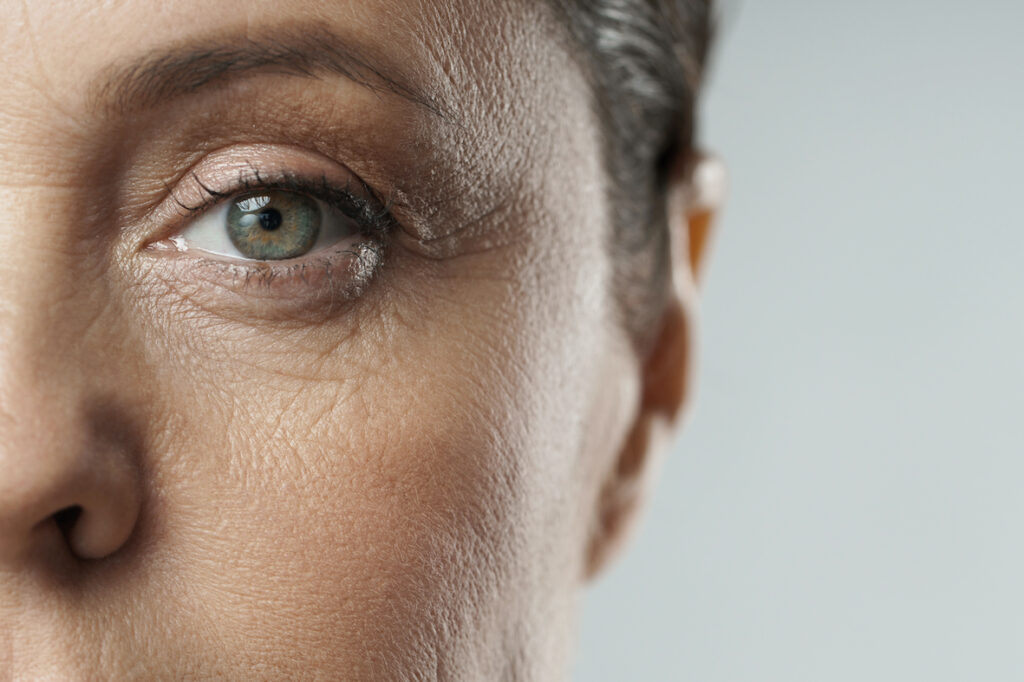
As we age, our eyes naturally change. Many people in their 50s and 60s notice reading, driving at night, or even using a smartphone isn’t as easy as it used to be. While some vision changes are perfectly normal, others may signal underlying health issues. Knowing what to expect and how to adjust can help you maintain eye health and confidence in your daily life.
Presbyopia: The Near-Reading Challenge
Presbyopia is the gradual loss of the eye’s ability to focus on nearby objects, a change that usually becomes noticeable in your 50s. In a young, healthy eye, the lens is very flexible, and tiny muscles within the eye constantly adjust its shape to focus on objects at varying distances—from far away down to just a few centimetres. This happens so quickly and smoothly, we don’t even notice it.
As we age, the lens naturally becomes stiffer, and the muscles’ ability to change its shape diminishes. This makes it harder to focus on close objects, which is why you might find yourself holding menus, books, or mobile devices farther away to see clearly. Reading small print can also become tiring, especially after long periods.
How to adjust: Many people manage presbyopia with reading glasses, bifocals, or progressive lenses. Contact lenses designed for multifocal vision or monovision correction—where one eye is set for distance and the other for near tasks—are other options, though they may take time to adjust.
For more information on presbyopia, visit the New Zealand Association of Optometrists.
Cataracts: Clouding of the Lens
Cataracts are common in people over 50. They cause clouding of the eye’s natural lens, leading to blurry vision, glare around lights, and difficulty seeing at night. Early stages may be subtle, but as cataracts progress, they can interfere with everyday activities like driving or reading.
Treatment: Cataract surgery is highly successful and widely available in New Zealand. The cloudy lens is replaced with a clear artificial lens, which can even reduce dependence on glasses. Learn more about cataract surgery here.
Dry Eyes and Irritation
Reduced tear production is another common issue as we age, leading to dry, gritty, or burning eyes. Women going through menopause may notice this more, due to hormonal changes. Symptoms can also include intermittent tearing or sensitivity to wind and screens.
Tips:
-
Use artificial tears or lubricating drops.
-
Take regular breaks from screens to rest your eyes.
-
Consider a humidifier in dry environments.
-
Wear sunglasses outdoors to protect against evaporation and UV exposure.
You can find more advice on managing dry eyes on the Healthify website.
Glaucoma: Silent Vision Loss
Glaucoma is a group of conditions that damage the optic nerve, often due to increased eye pressure. It can progress without noticeable symptoms, making regular eye exams crucial. Left untreated, Glaucoma can gradually damage the optic nerve, often starting with peripheral vision loss. If left untreated, it can eventually lead to complete blindness.
In New Zealand, Glaucoma NZ provides resources and support for people living with glaucoma.
Age-Related Macular Degeneration (AMD)
AMD affects the central part of the retina (the macula), leading to blurred or distorted central vision. This can make reading, driving, and recognising faces challenging. While early AMD may not cause noticeable symptoms, it can progress gradually.
Support and treatment: While there’s no cure, early detection through regular eye exams can slow progression. Macular Degeneration New Zealand offers information and support for affected individuals.
Practical Tips for Maintaining Eye Health
Even normal age-related changes can affect your daily life. Here are some practical ways to adjust:
-
Lighting matters: Increase brightness when reading or cooking. Adjustable desk lamps or motion-activated lights in hallways can help.
-
Magnification and technology: Use magnifying glasses, digital magnifiers, or increase font sizes on smartphones and e-readers. Many devices also offer high-contrast or dark mode settings to reduce eye strain.
-
Organise your environment: Keeping frequently used items in the same place reduces frustration from small visual difficulties.
-
Protect your eyes outdoors: Wear sunglasses with UV protection and a hat to reduce glare.
-
Healthy habits: A diet rich in leafy greens, colourful vegetables, and omega-3 fatty acids supports eye health. Maintaining regular exercise and controlling chronic conditions like diabetes and high blood pressure also protects vision.
When to Seek Specialist Care
Seek prompt medical attention if you notice sudden vision loss, flashes of light, new floaters, severe eye pain, or distortion in your vision. These could indicate urgent issues like retinal detachment or other serious eye conditions. Even without alarming symptoms, annual comprehensive eye exams are recommended, particularly after 50.
Embracing Change
Vision changes in your 50s and 60s are normal, but they don’t have to limit your independence or enjoyment of life. By understanding the changes, protecting your eyes, making small adjustments at home, and staying up to date with regular check-ups, you can continue reading, driving, working, and engaging in hobbies with confidence.
Incorporating practical tips, staying informed through reliable New Zealand resources, and taking proactive steps can help you enjoy clear vision and active living well into your later years.